
School for Ministry
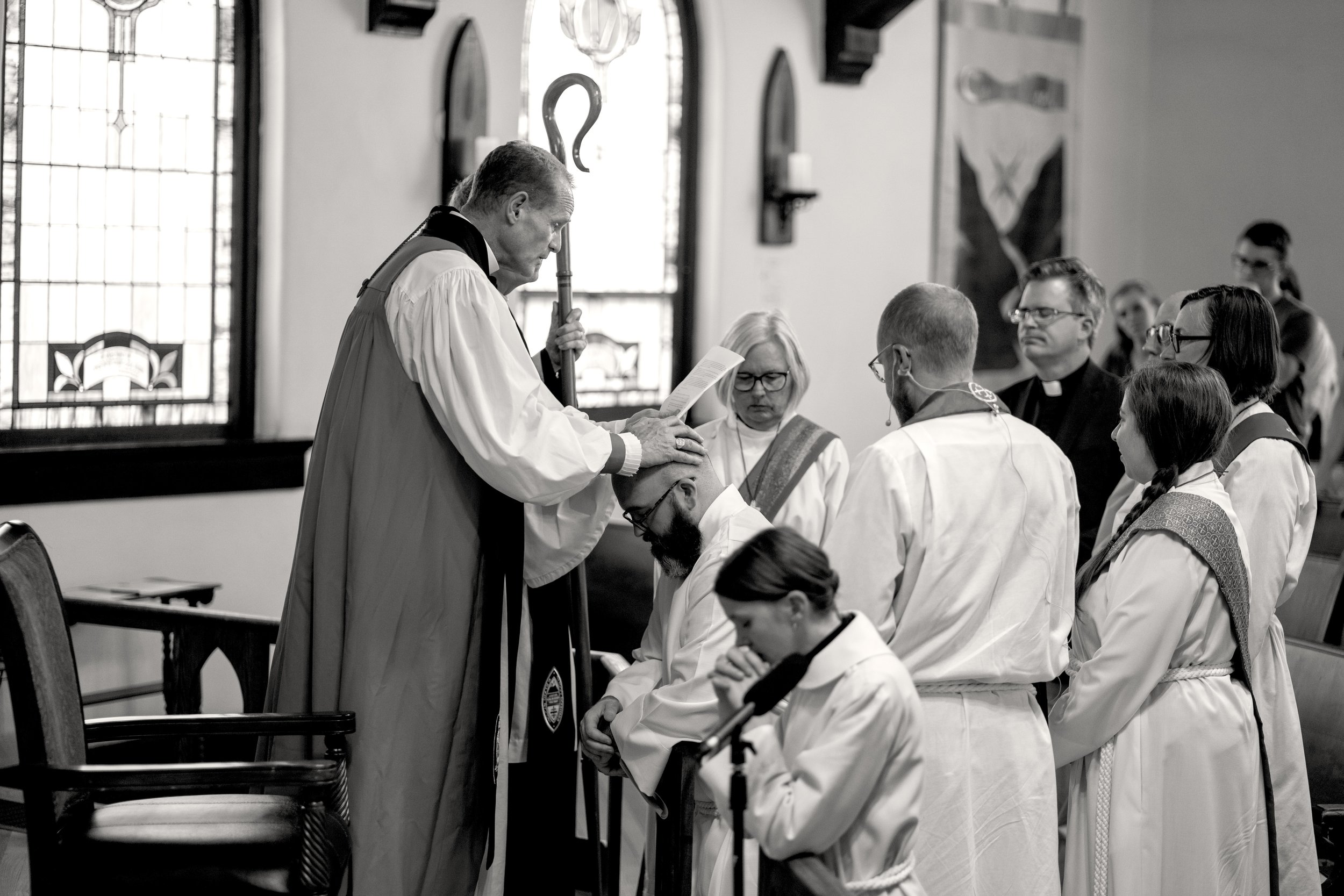
Raising Up & Equipping Servant Leaders
The primary ministers in the church and of the church are the laos, the people of God.
While the people of God are clergy and laity alike, godly leadership, authority, and service to the people of God are vital to each church’s life and health. This means that the raising up of qualified, theologically-sound, and servant-hearted clergy is essential to the health of local parishes and to the equipping of the saints for God’s good work.
Our diocesan School for Ministry exists to support and facilitate the work of identifying and helping to form new clergy through a process called “credentialing.” This process seeks to ensure that clergy are well prepared theologically, practically, and spiritually.
Below, you will find resources that
Describe the offices of deacon and presbyter
Summarize the diocese’s approach to clergy credentialing
Give an overview of the structure, requirements and curriculum of the School for Ministry
Introduce members of our School’s team
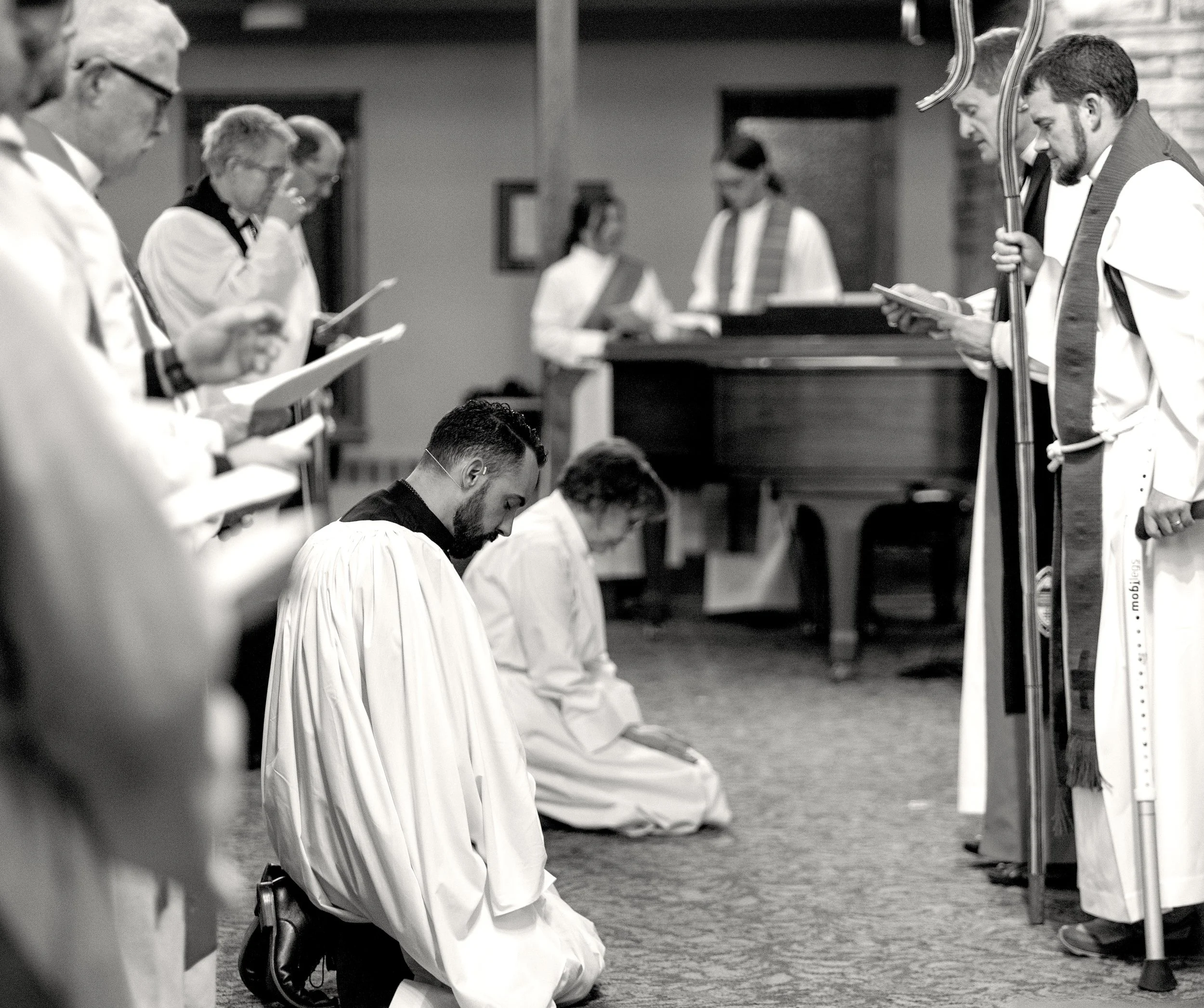
Introducing Deacons & Presbyters
There are three primary clerical offices in Anglicanism: Deacon, Presbyter, and Bishop.
Read on to learn more about presbyters and deacons from the ordination services for these offices.
-
The word ‘presbyter’ is the Greek for ‘elder’, and it is sometimes translated ‘priest’ in English, so that those ordained to the presbyterate are called priests.
A Presbyter directly serves his local parish, often as the Rector (lead shepherd), though sometimes as an Assisting Priest. The Primary role of the Presbyter is to shepherd the people of God as a minister of Word and Sacrament. He is responsible for preaching the Gospel, caring for, encouraging, and leading a congregation to Christ and His work, leading his own family well, and serving the Bishop in authority over him.
We learn further from the Bishop’s Examination from ACNA Presbyter Ordination Service, “A priest must be determined to instruct the people committed to his charge from the Holy Scriptures; to teach or maintain nothing as necessary to eternal salvation but that which may be concluded and proved by the Scriptures. He must be diligent always so to minister the doctrine, sacraments, and discipline of Christ, as the Lord has commanded and as this Church has received them, according to the Commandments of God, so that he may teach the people committed to his charge to keep and observe them.”
“He must be ready, with all faithful diligence, to banish and drive away from the Body of Christ all erroneous and strange doctrines contrary to God’s Word; to use both public and private admonitions and exhortations to the weak as well as the strong within his charge, as need shall require and occasion shall be given. He must be diligent in prayer, in the reading of Holy Scripture, and in such study as may further the knowledge of the same, laying aside all distractions of the world and the flesh.”
“He will be diligent to frame and fashion his own life, and the life of his family, according to the doctrine of Christ, and to make himself and them, as much as he is able, a wholesome example and pattern to the flock of Christ. He will maintain and set forward, as much as he is able, quietness, peace, and love among all Christian people, and especially among those who are or shall be committed to his charge.”
“He will reverently obey his Bishop and other chief Ministers who, according to the Canons of the Church, may have charge and authority over him, following with a glad mind and a good will their godly admonitions, and submitting himself to their godly judgments.”
-
The word ‘deacon’ is Greek and means in Christian usage a ‘minister’ or ‘servant’. The primary role of a Deacon is to model the servant leadership of Christ for the people of God by ministering the Gospel in word and deed. A deacon serves the least, lost, and lonely, seeking out the weak, poor, alien, and marginalized in society, and supporting the Priest in public worship. Deacons serve in a local parish and under the oversight of the Rector, but are directly responsible to their Bishop.
The Bishop’s Exhortation from the ACNA Diaconal Ordination Service offers additional helpful commentary on the vocation of a deacon:
“It belongs to the office of a Deacon to share in the humility and service of our Lord Jesus Christ, for the strengthening of the Church, which is his body. A deacon is to read the Gospel and proclaim Christ at all times through service, to instruct both young and old in the Catechism, and, at the direction of the Bishop or Priest, to baptize and preach.”
“A Deacon shall assist the Priest in public worship, to guide the intercessions of the Congregation, to aid in the administration of Holy Communion, and to carry the Sacrament to those who are kept from the Table by illness, infirmity, or imprisonment.”
“Furthermore, a Deacon is to interpret to the Church the needs, concerns, and hopes of the world. It is the Deacon’s office to encourage and equip the household of God to care for the stranger, to embrace the poor and helpless, and to seek them out, so that they may be relieved.”
Credentialing as the Formation of Head, Heart, and Hands
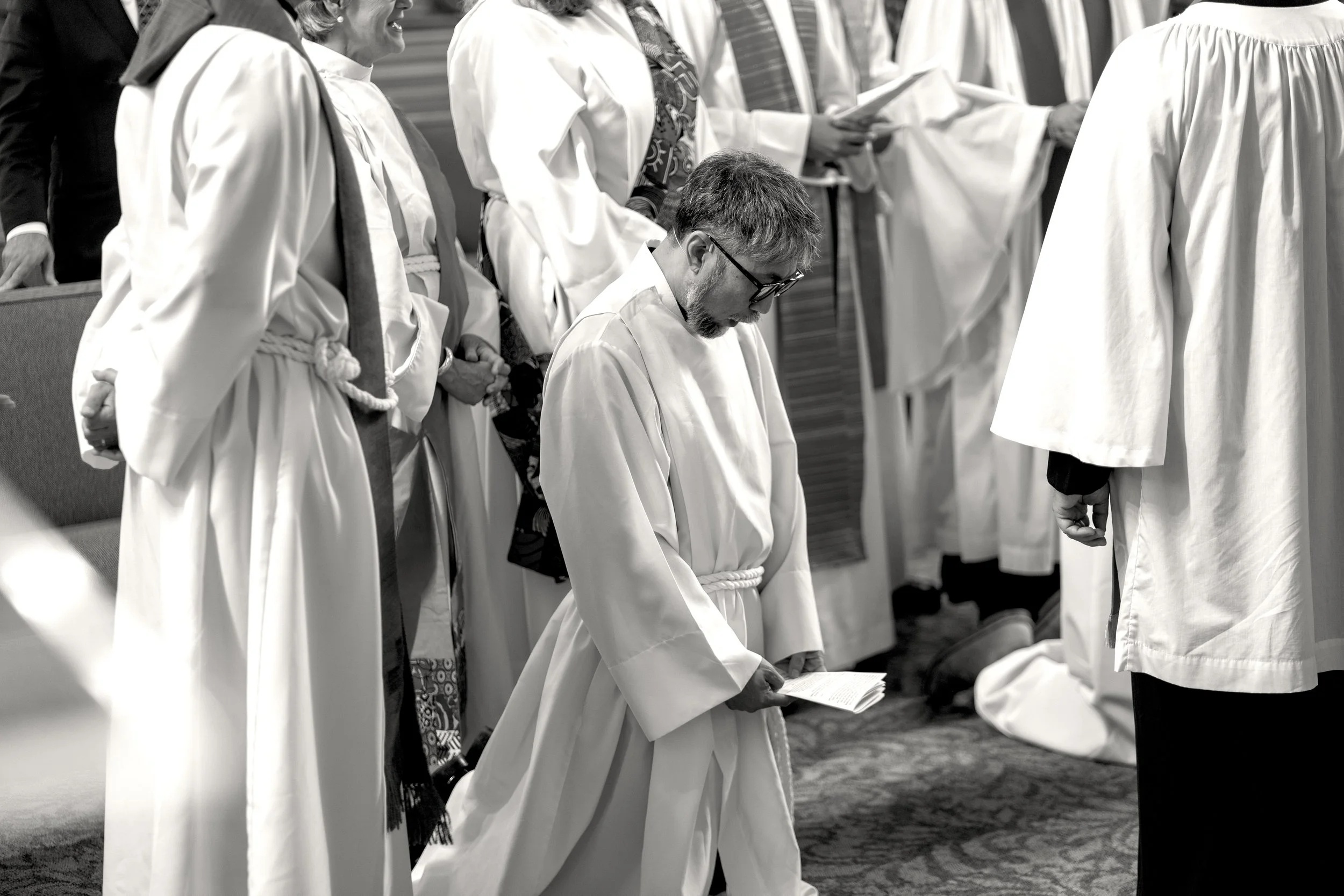
In our diocese, the bar is set high for those seeking to be ordained.
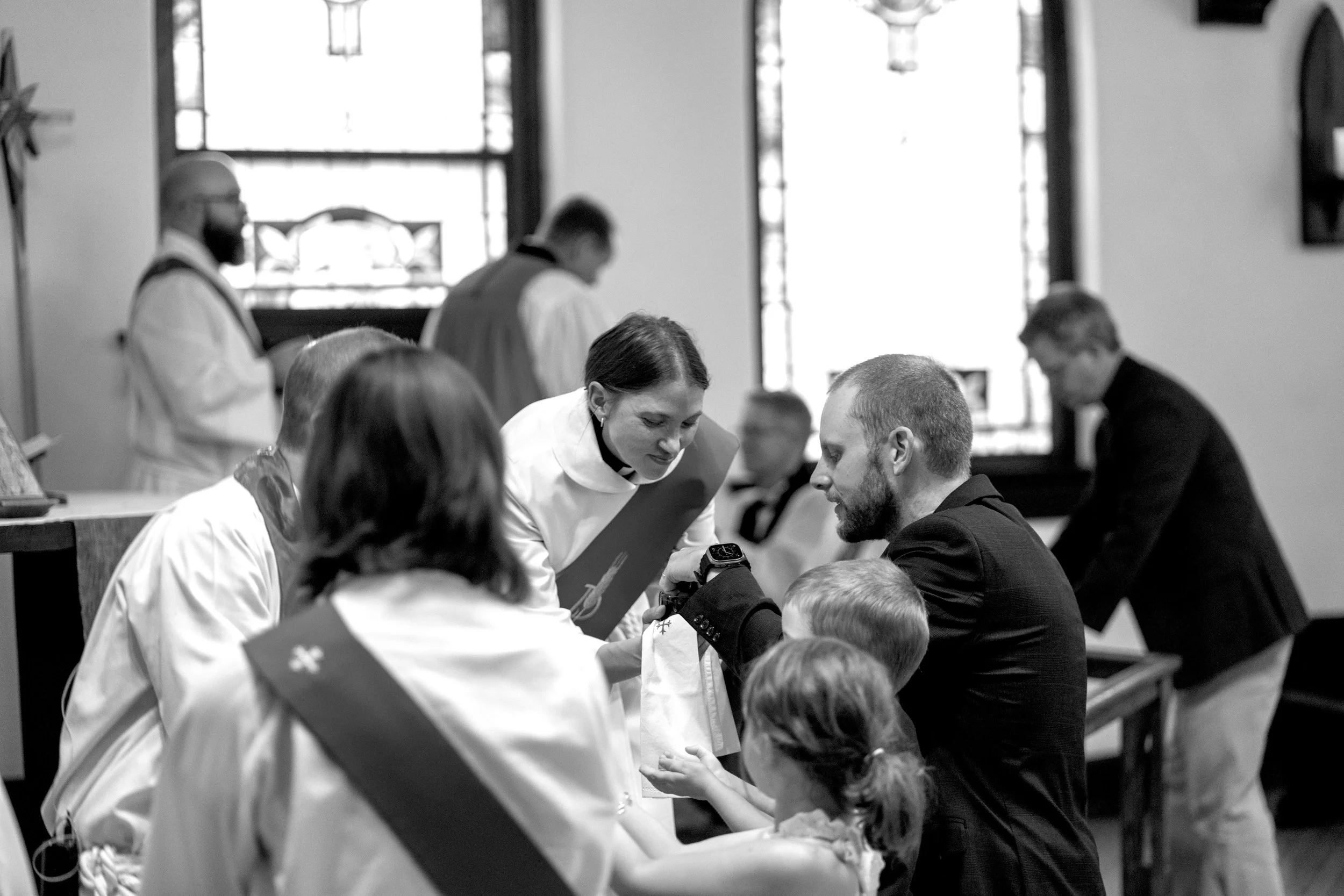
At the same time, the process is one in which ordinands (‘clergy-in-training’) are mentored, encouraged, and supported every step of the way, and in a manner that addresses the whole person.
Specifically, ordinands in the School for Ministry—whether pursuing the diaconate or the presbyterate—will experience three forms of training (and thus, growth) throughout the credentialing process.
These three types of formation address the ‘head’, ‘heart’, and ‘hands’.

Theological Formation: Ordinands will be theologically-formed, either through their School for Ministry coursework (diaconal pathway) or through completing a qualified advanced degree and sitting for a Theological Assessment Exam (presbyteral pathway). This is the formation of the ‘head’.

Spiritual Formation: Ordinands will be spiritually strengthened and prepared via carefully designed aspects of a Spiritual Formation Plan carried out at the local level. This work is designed to help shape the ‘heart’.

Practical Formation: Ordinands will also be fundamentally equipped for ministry through the practical training included in the Local Formation Plan(s), training carried out with one’s Rector. This is preparation for the ‘hands’.
Structure & Curriculum Overview
The design and requirements of our ordination process give our clergy a strong theological, spiritual, and practical grounding which equips them for ministry.
The process for becoming ordained as a deacon includes —
Undergoing a number of safety checks and wellness assessments,
Completing a course of theological training offered by diocesan instructors, and
Working through a plan of practical and spiritual formation carried out at the parish level. It concludes with one’s ordination service.
The process for becoming ordained as a presbyter (priest) includes
Undergoing a number of safety checks and wellness assessments,
Completing an advanced degree in Theology, Divinity, or Religion and then
Sitting for the diocese’s Theological Assessment Exam, and completing two courses of practical and spiritual formation (first for the diaconate, and then for the presbyterate).
Click the links below to read more about Ordination Journeys and School for Ministry curriculum.
School for Ministry Leadership & Staff
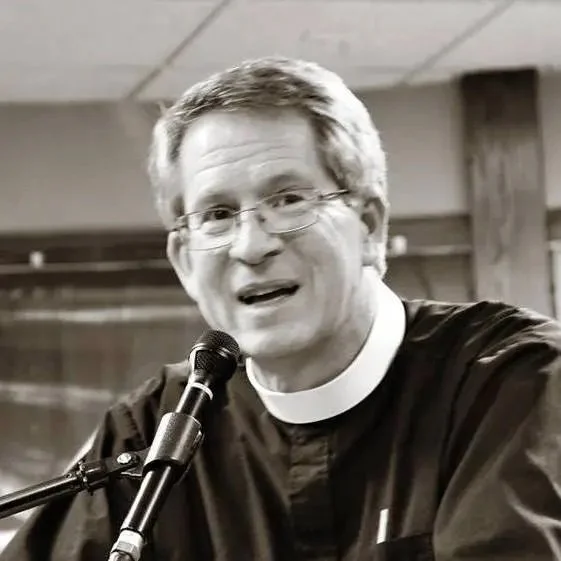
The Rev. Canon Dr. Matt Burnett
I am honored to support the Diocese of the Rocky Mountains as the Canon to the Ordinary, and my dream job is my current one: Senior Pastor of Holy Trinity Anglican Church for the last 22 years.
Director of Credentialing
-

Anna Holsteen
Credentialing Project Manager
-
The Rev. Dr. Shane Copeland
Presbyterate Theological Assessor, Exam Grader
-
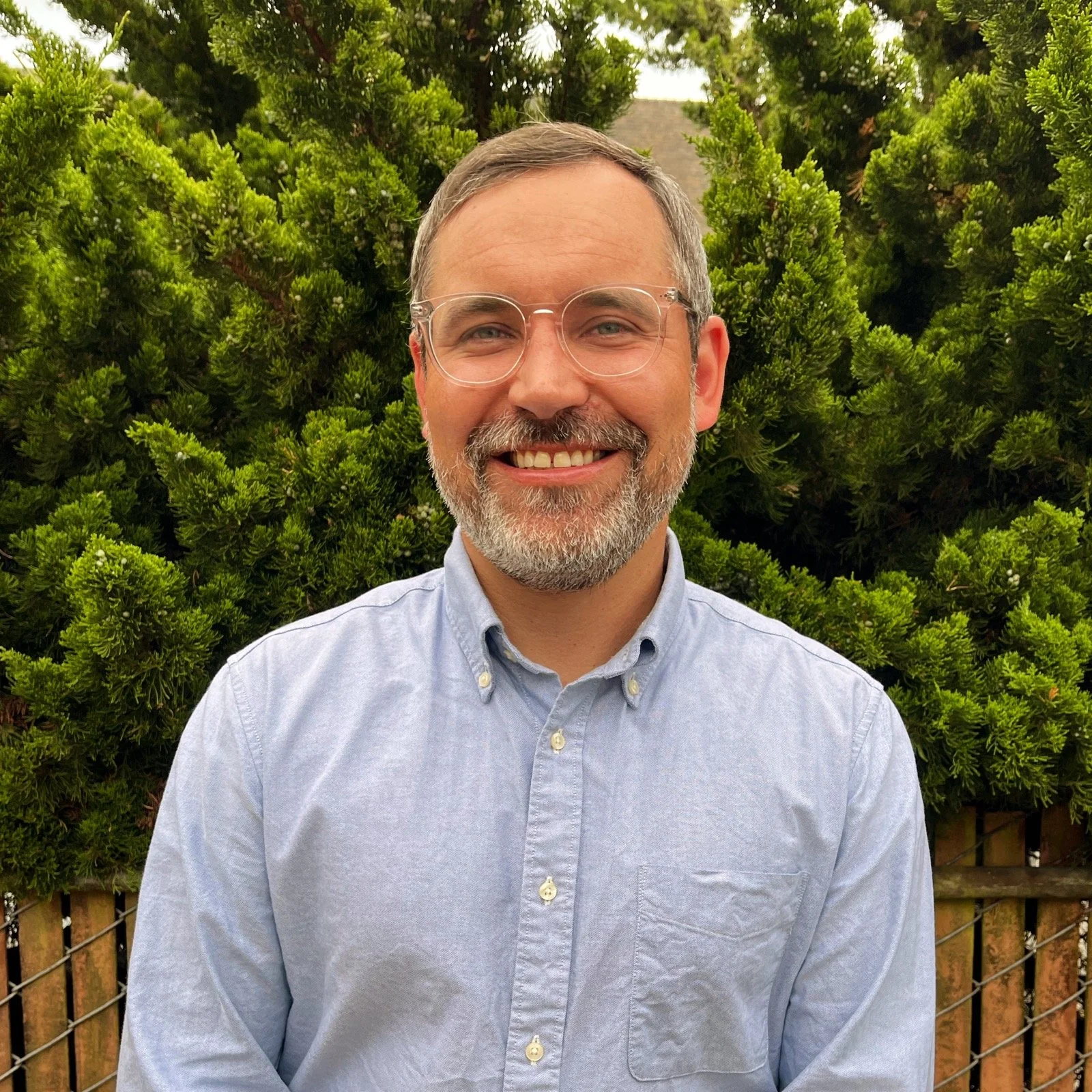
The Rev. Casey Bedell
Dean of Presbyteral Formation
-
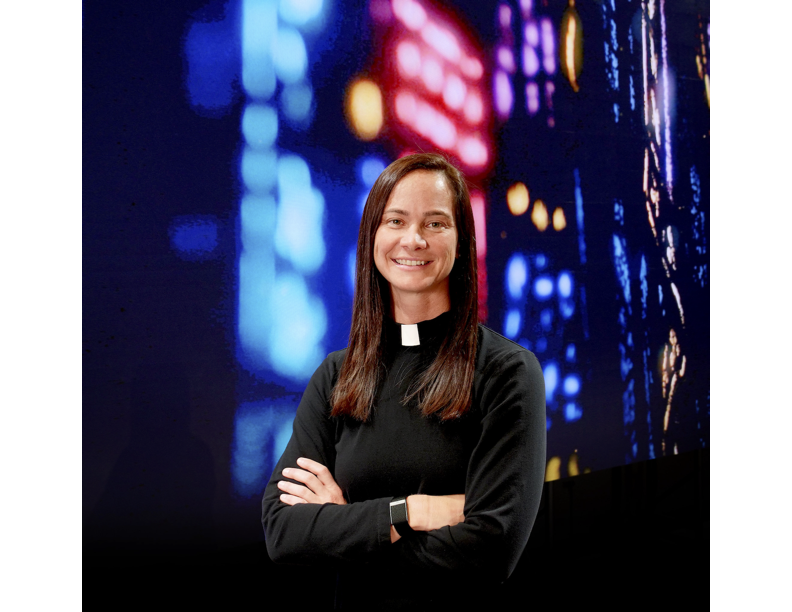
The Rev. Mary Puckett
Old Testament Seminar Facilitator, Dean of Diaconal Formation, & Exam Grader
-
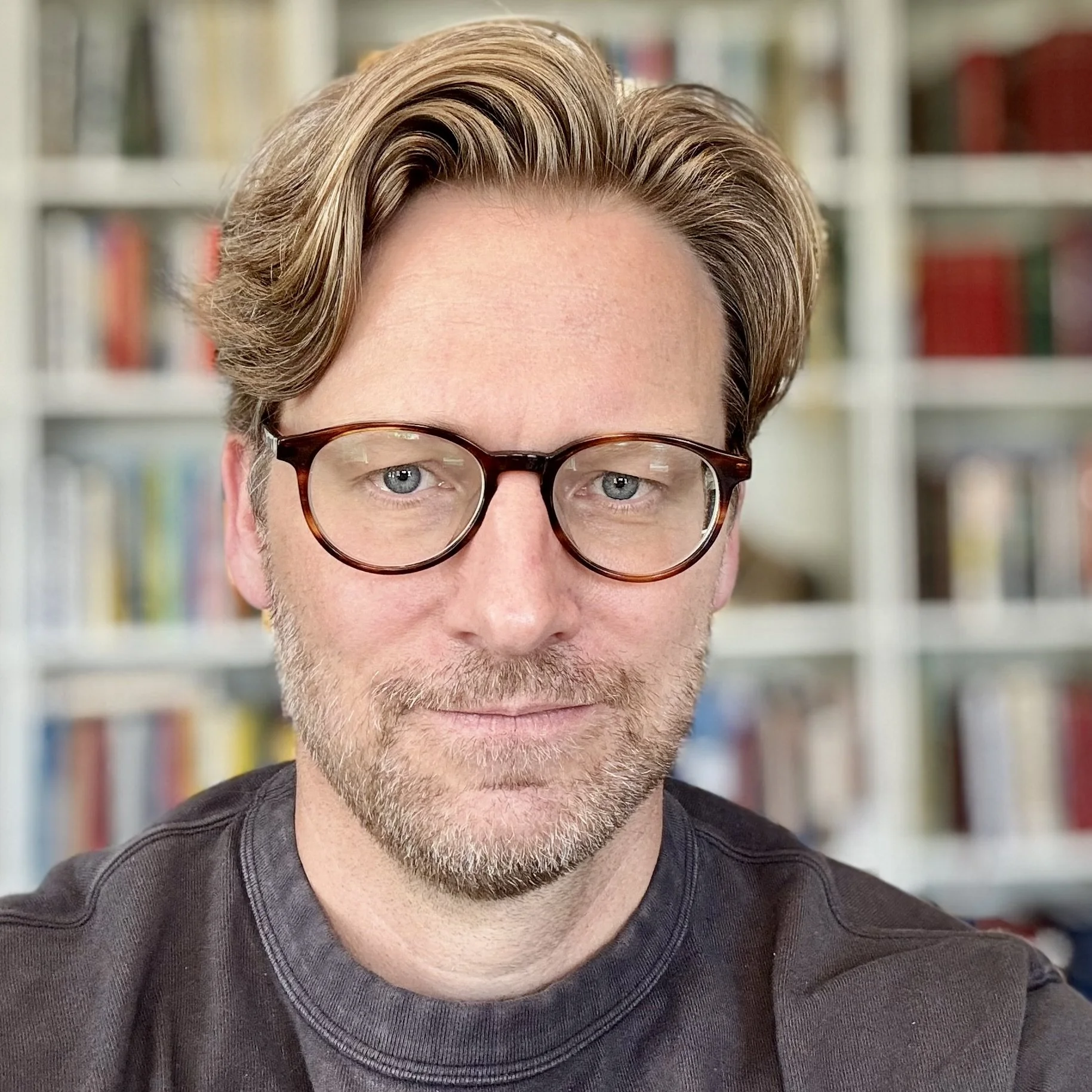
The Rev. Dr. Chris Stroup
New Testament Seminar Facilitator & Exam Grader
-
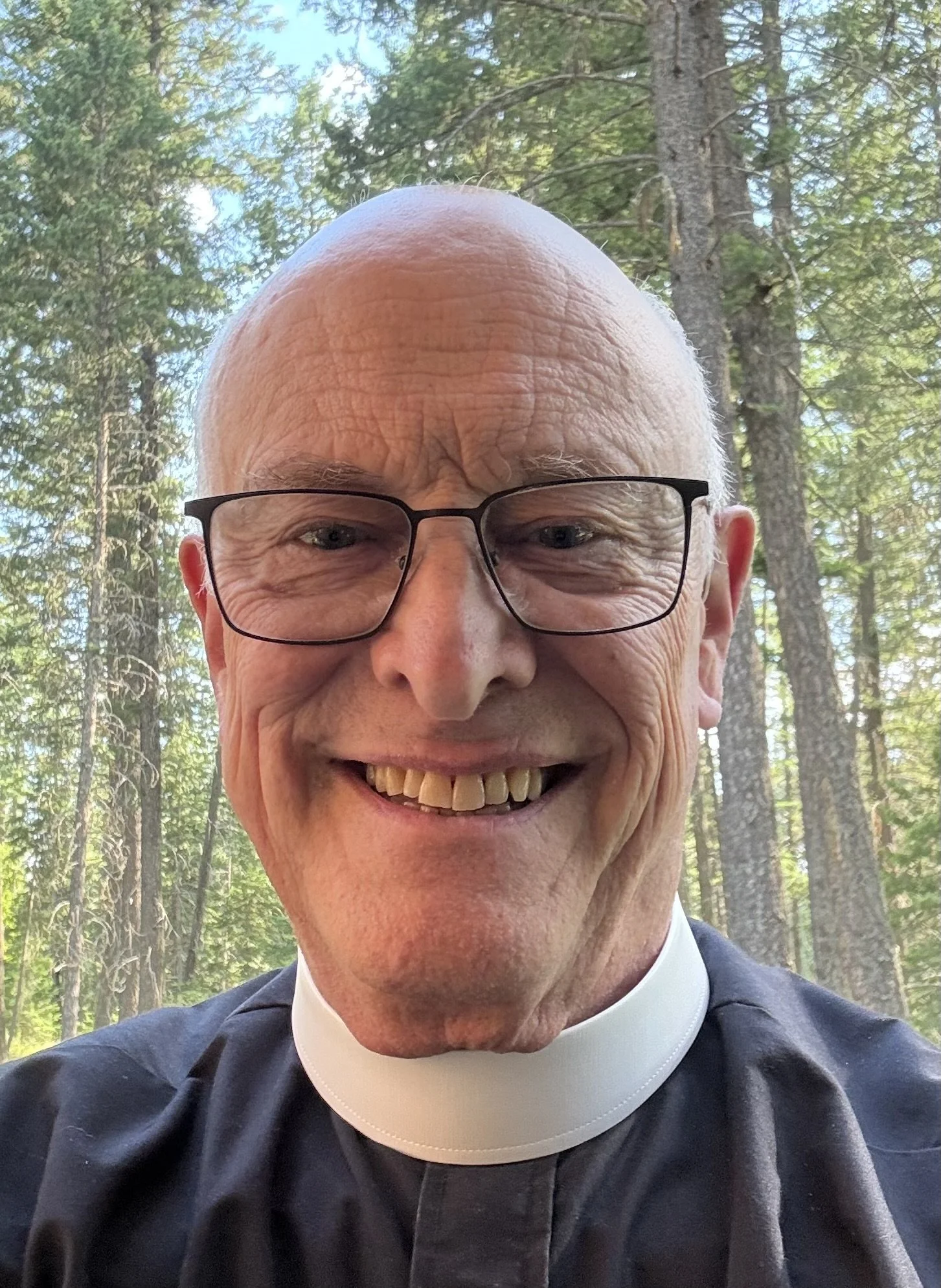
The Rev. Kevin Leach
Introduction to Anglicanism Seminar Facilitator & Exam Grader
-
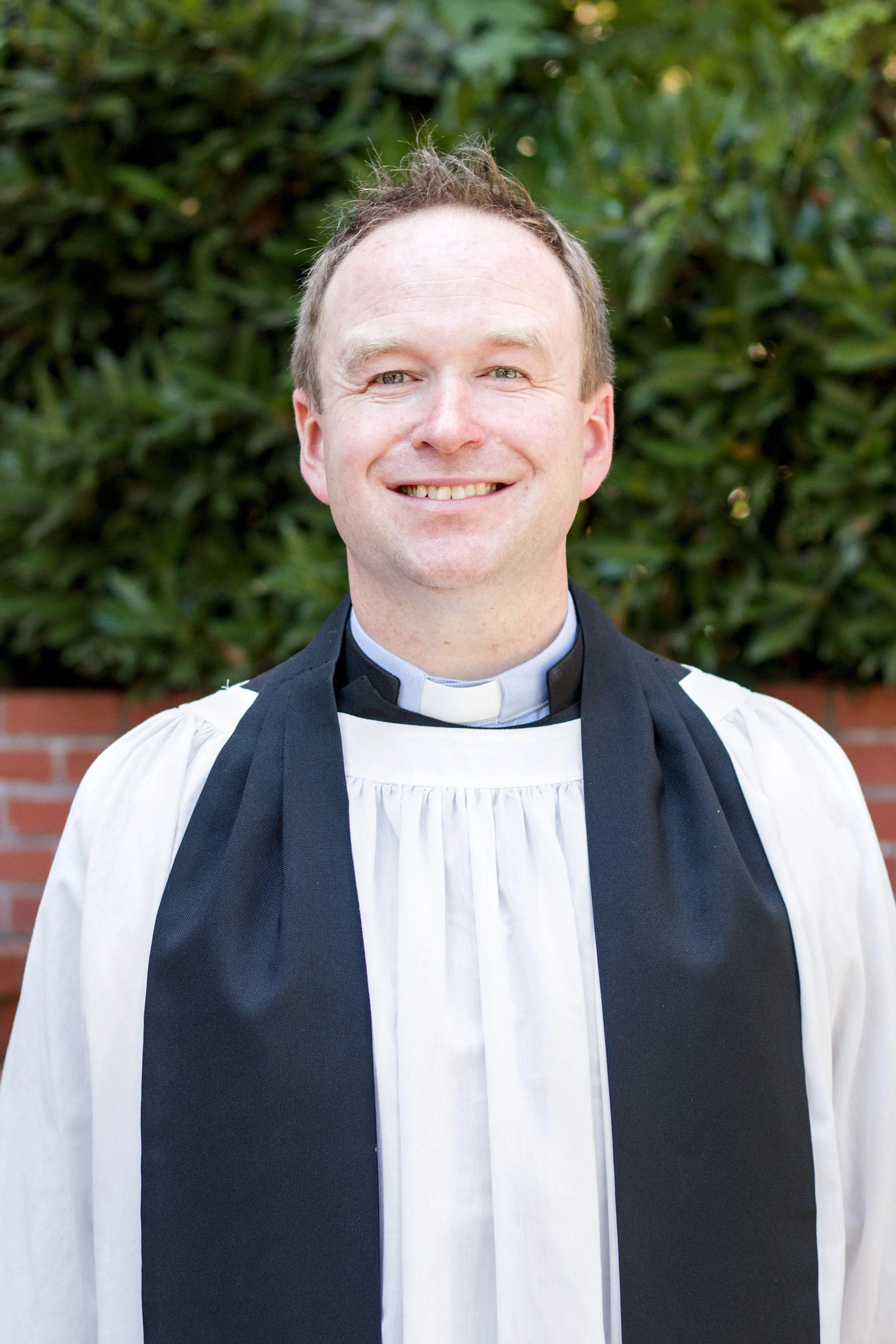
The Rev. Ben Clarke
Essentials of Anglican Theology Seminar Facilitator & Exam Grader
-
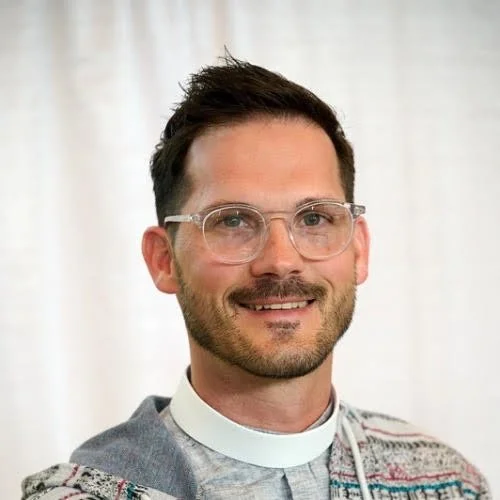
The Rev. Chandler Wiley
Exam Grader & Curriculum Developer
-
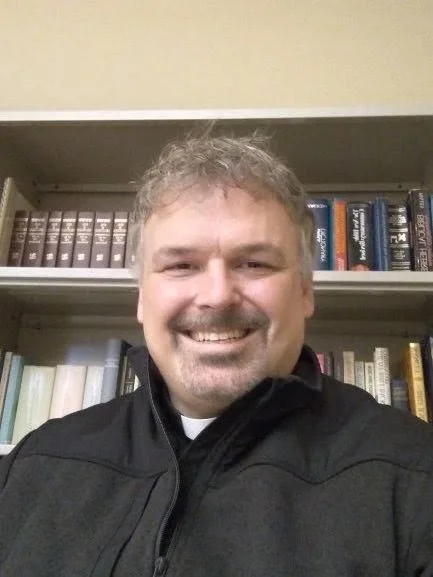
The Rev. Luke Davis
Exam Grader
-
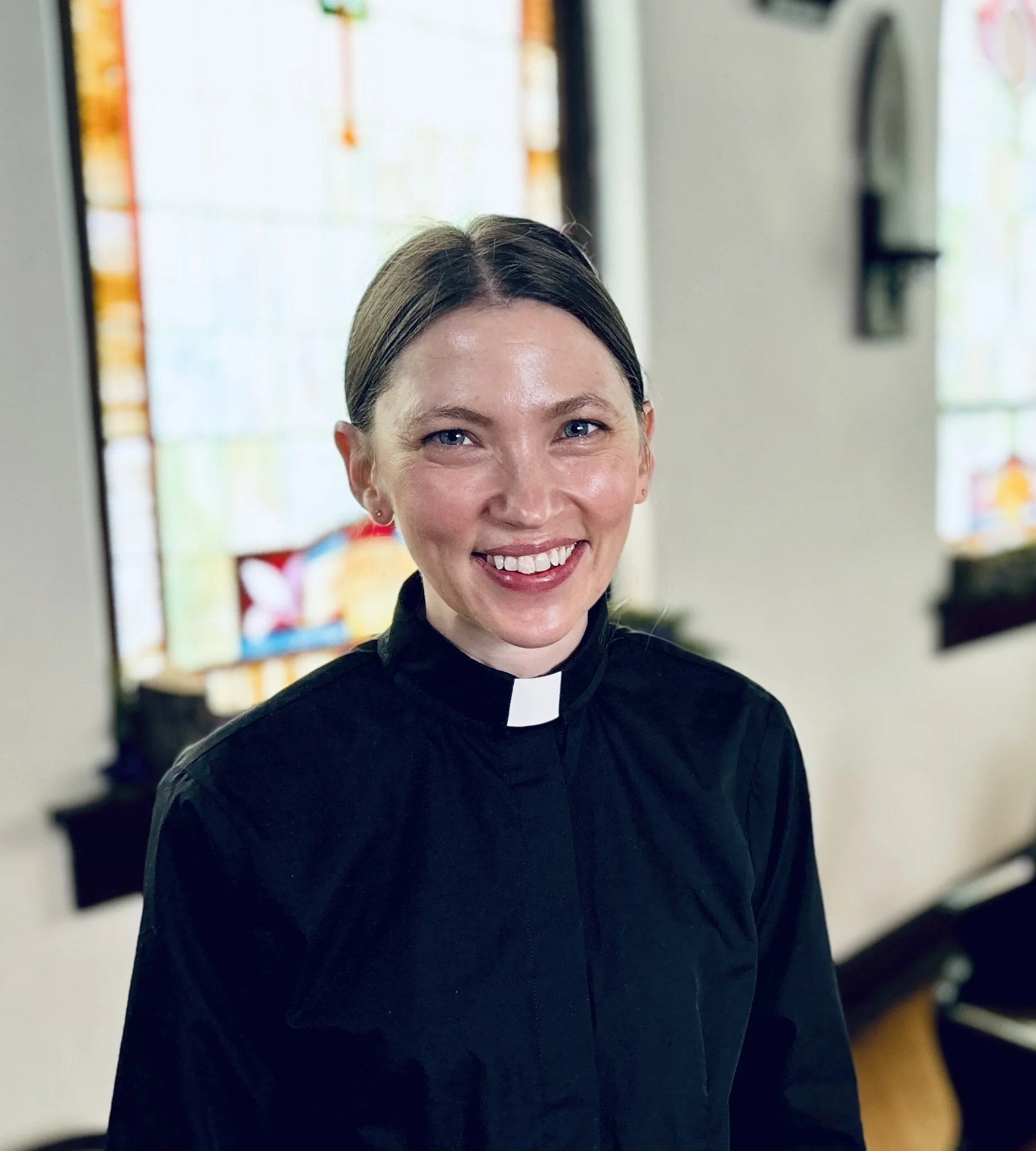
The Rev. Lisa Elmers
Exam Grader
-
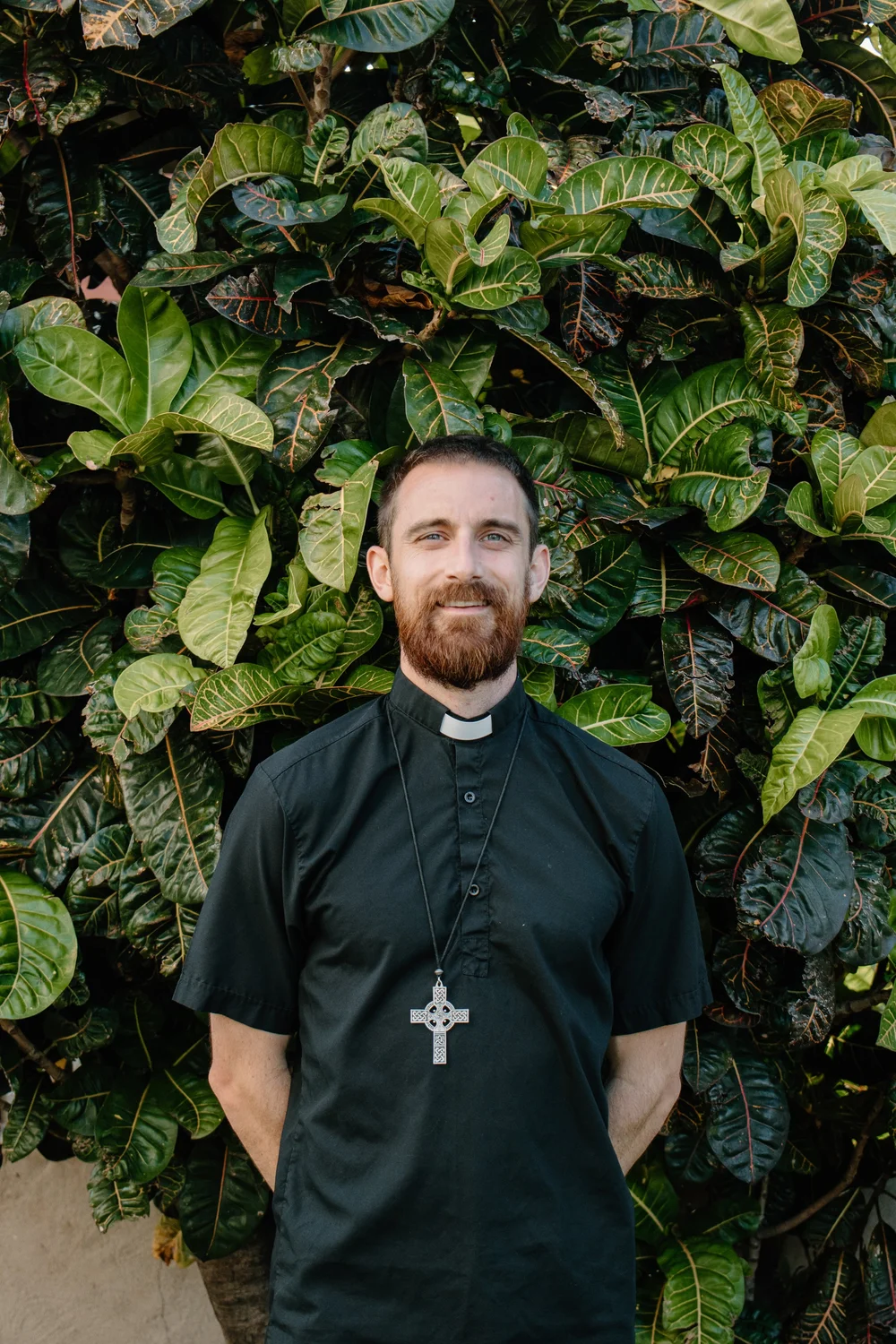
The Rev. Dawson Vorderbruegge
Exam Grader
-
The Rev. Dr. Chris Bruno
Exam Grader